The History of TOKEN2049: From Singapore to a Global Series
How TOKEN2049 grew from a Singapore crypto conference into the world's largest blockchain event series, with editions in Dubai and New York by 2027.
How TOKEN2049 Became a Global Phenomenon
TOKEN2049 has become synonymous with large-scale crypto gatherings. Organized by BOB Group Limited, a Hong Kong-registered company, the series now positions itself as the world's largest crypto event. What began as a single conference in Singapore has expanded into a multi-city phenomenon, with upcoming editions in Dubai (April 2027), New York (June 2027), and Singapore (October 2027).
This growth reflects the maturing blockchain industry itself: more companies, more institutional interest, and a geographic spread that mirrors crypto adoption worldwide. Understanding how TOKEN2049 evolved helps attendees decide whether the event fits their goals and whether the scale justifies the ticket price.
The Singapore Foundation
Singapore became the flagship home for TOKEN2049 because the city-state combined regulatory clarity, financial infrastructure, and geographic access to Asian markets. Early editions established the conference's reputation by attracting founders, investors, and developers who were serious about building infrastructure rather than chasing hype cycles.
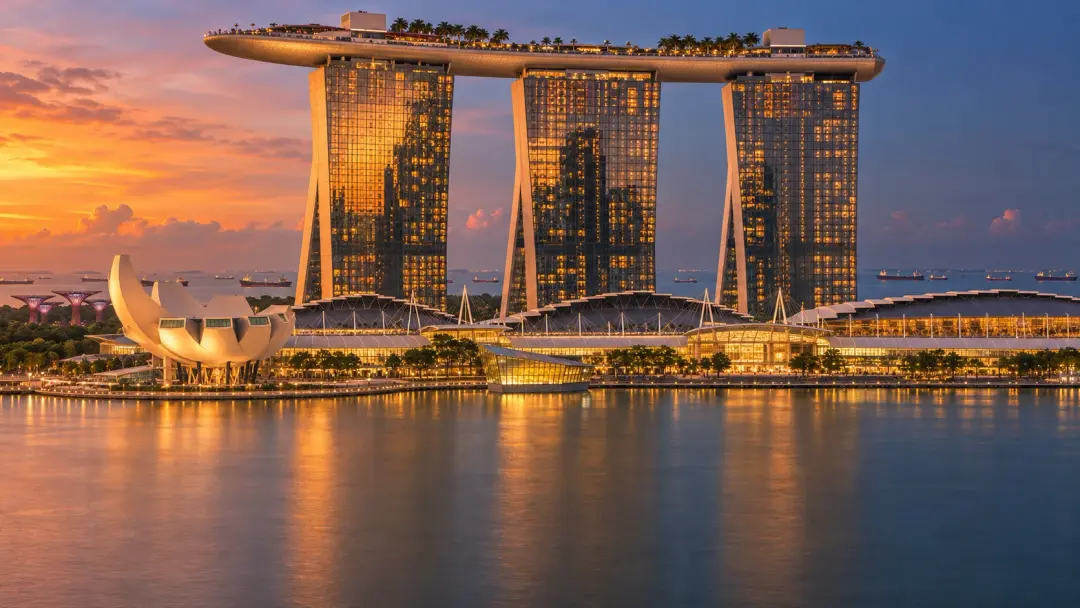
The October 2027 Singapore edition will take over all five floors of Marina Bay Sands, with expected attendance of 25,000 people, 7,000 companies, 300 speakers, 500 exhibitors, and over 1,000 side events. These numbers represent years of incremental growth, each edition building on the previous one's network effects.
Singapore remains the largest and most established edition in the series. It serves as the anchor event, with other cities expanding the TOKEN2049 brand into new time zones and regional ecosystems.
Geographic Expansion: Dubai and New York
The addition of Dubai and New York reflects strategic choices about where the crypto industry has critical mass. Dubai (April 2027) taps into Middle Eastern capital and the UAE's regulatory ambitions. The event at Madinat Jumeirah expects 15,000 attendees, 4,000 companies, 200 speakers, and 200 exhibitors, with participants from over 160 countries.
New York (June 2027) marks TOKEN2049's inaugural US edition. As a global financial center with established crypto infrastructure and regulatory debates, New York brings the series to the heart of Western institutional interest. The event anticipates 15,000 attendees, 4,000 companies, 250 speakers, and 300 exhibitors.
This three-city model spreads TOKEN2049 across the calendar and gives regional communities a local anchor event, while maintaining Singapore as the flagship. For companies and speakers, it means three opportunities per year to reach different audience segments without duplicating content.
Speaker Evolution and Key Moments
The speaker roster traces the industry's own shifts. Early editions featured protocol founders and exchange leaders. Recent and upcoming lineups include Vitalik Buterin (Ethereum), Changpeng Zhao (Binance), Pavel Durov (Telegram), Vlad Tenev (Robinhood), Shayne Coplan (Polymarket), Adena Friedman (Nasdaq), the Winklevoss twins (Gemini), Balaji Srinivasan, and Eric Trump.
This mix reflects broader patterns: traditional finance entering the space (Nasdaq), regulatory and political figures engaging with crypto (Eric Trump), and founders of applications built on blockchain infrastructure (Telegram, Polymarket). The diversity of backgrounds signals that TOKEN2049 aims to represent the industry's convergence with mainstream finance and technology, not just its origins in cypherpunk circles.
Key moments at past editions often happened offstage, in side events and hallway conversations. With hundreds of parallel gatherings during each conference, TOKEN2049 became a nexus where deals were negotiated, partnerships formed, and industry narratives shifted. The official program sets the tone, but the surrounding ecosystem amplifies the impact.
Format and Programming
TOKEN2049 follows a two-day main conference structure, with keynote stages, panel discussions, and exhibition floors. The TOKEN2049 ORIGINS hackathon runs for 36 hours, giving developers a compressed timeline to build from concept to working product. The NEXUS startup competition offers equity-free prizes, attracting early-stage projects looking for visibility and funding connections.
Side events multiply the conference's effective footprint. Estimates suggest 500 to 1,000 events running in parallel during each edition, many organized by exhibitors, sponsors, investors, or independent community groups. These range from private dinners to open meetups, pitch sessions, and parties. Navigating this ecosystem requires advance planning, as many side events operate on invitation or limited registration.
Tickets are sold through the official website with tiered pricing, including super early bird rates. Payment options include credit cards and cryptocurrency via MoonPay Commerce. Pricing changes as the event approaches, rewarding early commitment.
Growth Metrics and Industry Position
From a few thousand attendees in early years, TOKEN2049 Singapore now expects 25,000 participants, with 7,000 companies represented. Dubai and New York editions project 15,000 attendees each. These figures position TOKEN2049 as one of the largest recurring crypto events globally, measured by attendance, exhibitor count, and speaker caliber.
The organizer's claim of being the 'world's largest crypto event' is difficult to verify independently, but the numbers and venue scale support the assertion. The growth trajectory mirrors the blockchain industry's own expansion: more institutional money, more developers, more regulatory attention, and more competition for mindshare.
For attendees, size brings advantages (more connections, more exhibitors, more side events) and challenges (logistical complexity, difficulty standing out, higher costs). Whether TOKEN2049's scale serves individual goals depends on preparation, networking strategy, and clear objectives going in.
Common Questions About TOKEN2049's History
Who organizes TOKEN2049?
TOKEN2049 is organized by BOB Group Limited, a company registered in Hong Kong. The series has grown under this organizer from a Singapore-focused event into a multi-city global conference.
Why did TOKEN2049 expand to Dubai and New York?
Dubai and New York represent regions with strong crypto ecosystems and regulatory frameworks that attract both capital and builders. The expansion allows TOKEN2049 to serve different time zones and regional audiences while maintaining Singapore as the flagship event.
How has the speaker lineup changed over time?
Early editions focused on protocol founders and exchange leaders. Recent lineups include traditional finance executives, political figures, and founders of mainstream applications built on blockchain. This reflects the industry's maturation and convergence with traditional sectors.
What makes TOKEN2049 different from early crypto conferences?
TOKEN2049's scale, geographic spread, and programming reflect an industry that has moved beyond niche technical communities. The event now attracts institutional investors, regulators, and mainstream technology companies, alongside the developers and founders who attended early editions.